Eco-Friendly Event Planning: Transform Your Space Sustainably
Why Choose Eco-Friendly Event Planning?
As awareness of environmental issues grows, more people are seeking ways to make their lifestyles and businesses more sustainable. Choosing eco-friendly event planning is not just a trend—it's a responsibility. By implementing sustainable practices, you can significantly reduce the environmental impact of your events while still delivering a memorable experience.
Eco-friendly event planning involves making conscious decisions about every aspect of your event, from the venue to the materials used. By transforming your space sustainably, you can create events that are not only beautiful but also kind to the planet.
Selecting the Right Venue
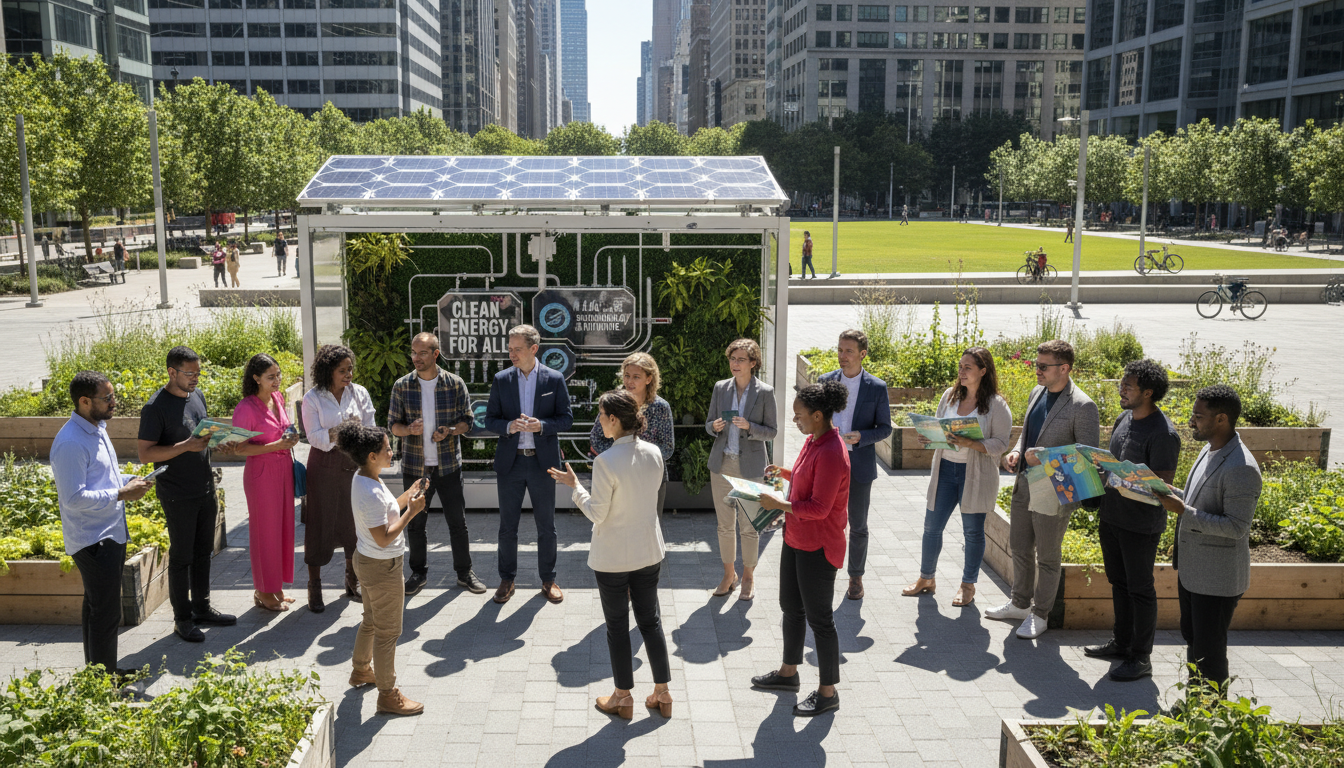
The venue is one of the most critical aspects of eco-friendly event planning. Consider locations that are easily accessible by public transportation to minimize carbon emissions. Look for venues that are certified green or have implemented sustainable practices, such as energy-efficient lighting and waste reduction programs.
Outdoor venues can also be an excellent choice, allowing you to utilize natural light and reduce energy consumption. However, be mindful of the environmental impact on the surrounding area and ensure that any outdoor event complies with local conservation regulations.
Using Sustainable Materials
When planning the decor and setup of your event, prioritize using sustainable materials. Opt for reusable or biodegradable tableware and avoid single-use plastics. Consider renting decorations instead of buying new ones, or use items made from recycled materials.
Utilize digital invitations instead of paper ones to save trees and reduce waste. If printed materials are necessary, choose recycled paper and soy-based inks. Small changes like these can have a significant impact.

Catering with a Conscience
Food and drink are central to any event, but they can also be significant sources of waste. Work with caterers who prioritize locally sourced, organic ingredients to reduce the carbon footprint of your menu. Offering vegetarian or vegan options can also be a more sustainable choice, as plant-based diets generally require fewer resources.
Consider implementing a zero-waste policy by donating leftovers to local shelters or composting food scraps. Providing guests with reusable containers for leftovers can also help minimize waste.
Transportation and Accommodation
Encourage your guests to travel sustainably by providing information on public transport options or organizing carpools. If your event requires overnight stays, recommend eco-friendly accommodations that have demonstrated a commitment to sustainable practices.

Measuring and Offsetting Impact
Understanding the environmental impact of your event is crucial for making improvements. Use tools to measure the carbon footprint of your event and identify areas for reduction. Consider offsetting any unavoidable emissions by investing in environmental projects or purchasing carbon credits.
By taking these steps, you can ensure that your event not only meets your goals but also contributes positively to the environment. Eco-friendly event planning is a rewarding approach that aligns with global sustainability goals and showcases your commitment to a greener future.