Eco-Friendly Event Planning: Tips for a Sustainable Celebration
Why Choose Eco-Friendly Event Planning?
Planning an event is an exciting endeavor, but it often comes with significant environmental impact. Choosing eco-friendly practices can reduce waste and carbon footprint while setting a positive example for attendees. By incorporating sustainable elements, you can create a celebration that not only delights guests but also respects our planet.
Eco-friendly event planning involves a holistic approach that considers all aspects of an event, from venue selection to waste management. It’s about making mindful choices that ensure your gathering leaves a minimal ecological impact.
Selecting a Sustainable Venue
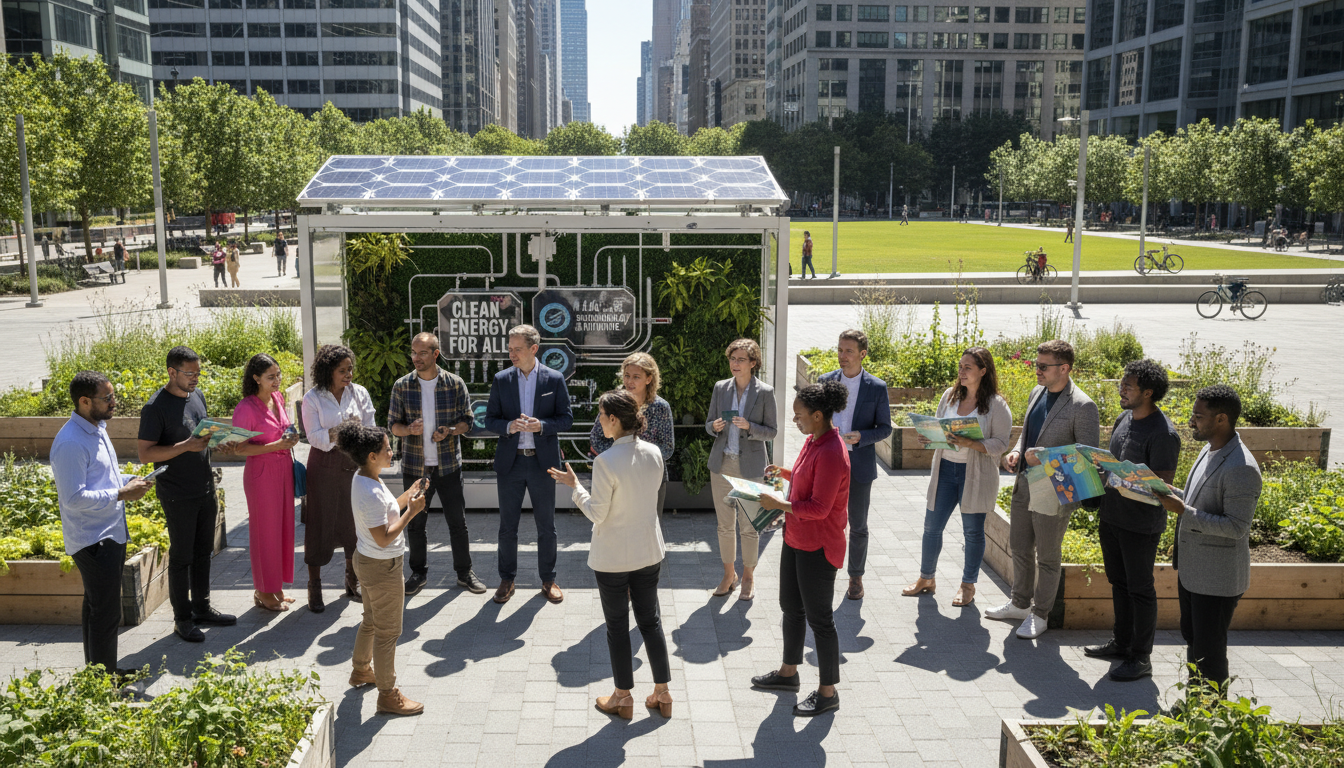
One of the first steps in planning a sustainable event is selecting the right venue. Look for venues that prioritize sustainability through eco-friendly certifications, energy-efficient systems, and waste reduction programs. Venues that use renewable energy sources or practice water conservation are ideal choices.
If possible, choose a location that minimizes travel for guests to reduce carbon emissions. Urban venues accessible by public transport or those offering carpooling options can significantly lower your event's environmental impact.
Eco-Conscious Catering Choices
Catering is another area with substantial environmental implications. Opt for caterers that focus on organic, locally sourced, and seasonal ingredients. This not only supports local farmers but also reduces the carbon footprint associated with transporting food long distances.
Consider offering a plant-based menu, as it generally requires fewer resources to produce than meat-based dishes. Additionally, ensure your caterer has a plan for composting food waste and using biodegradable or reusable serving ware.
Sustainable Decor and Materials
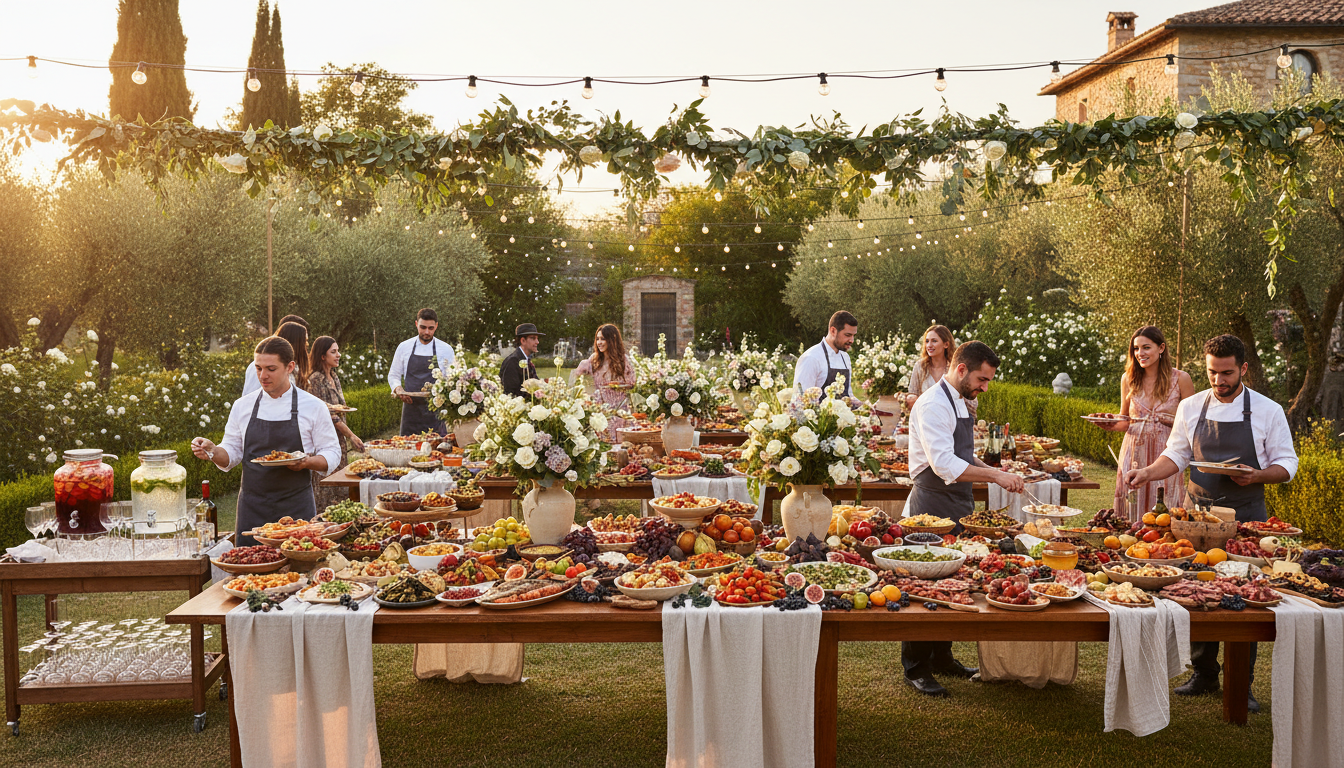
Decorations can often be wasteful, but choosing sustainable materials can mitigate this. Use decor made from recycled or upcycled materials, and consider renting items instead of buying them. Plants and flowers can be sourced locally and used as decor, providing a natural and biodegradable option that enhances the event's aesthetic.
For lighting, use energy-efficient LED lights or candles made from soy or beeswax. These not only reduce energy consumption but also add ambiance to your event.
Responsible Waste Management
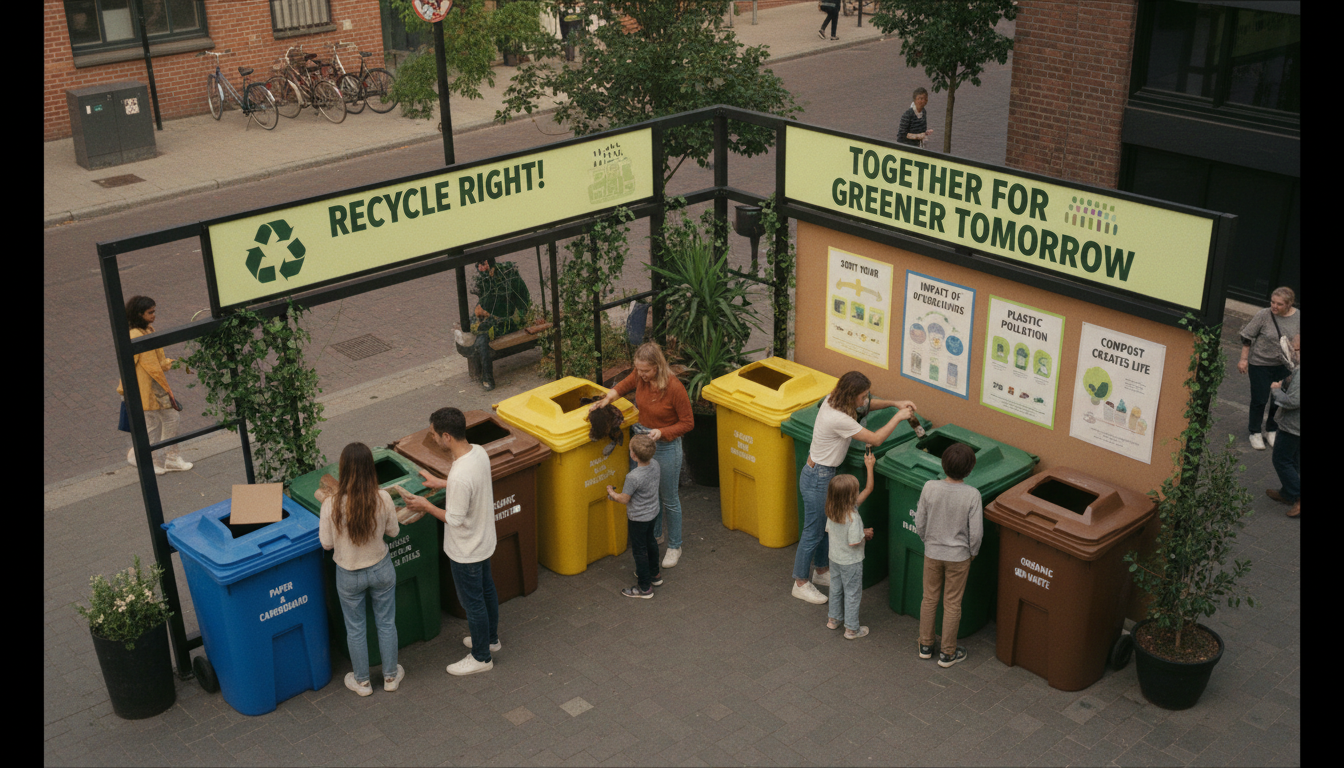
Implementing an effective waste management plan is crucial for an eco-friendly event. Set up clearly marked recycling and composting stations, and ensure that guests know how to use them. Work with vendors who are committed to reducing packaging waste and encourage guests to bring reusable items such as water bottles.
Eco-Friendly Invitations and Communication
Digital invitations are a great way to cut down on paper waste. Use online platforms to send invites and manage RSVPs, which not only reduces paper use but also streamlines the planning process. If printed materials are necessary, choose recycled paper and eco-friendly inks.
Communicate your event's sustainability goals to guests beforehand. This encourages them to participate actively in creating a greener event by carpooling or bringing reusable items.
Transportation Considerations
Transportation is a major contributor to an event's carbon footprint. Encourage guests to use public transport, carpool, or even cycle to the event. Providing shuttle services or organizing group travel can also reduce the environmental impact.
Consider offering incentives to guests who choose eco-friendly transportation options, reinforcing your commitment to sustainability.
Leave a Positive Impact
By following these eco-friendly event planning tips, you can host a celebration that is both memorable and kind to the planet. Sustainable celebrations not only reduce environmental harm but also inspire others to consider eco-friendly practices in their own events.
Embrace the opportunity to make a difference, and enjoy the satisfaction of knowing your event is part of a larger movement towards sustainability.