Case Study: Turning Ordinary Spaces into Extraordinary Experiences
Introduction to Transformative Spaces
In today’s fast-paced world, the need to transform ordinary spaces into extraordinary experiences has become more important than ever. Whether it’s a retail store, an office, or a public venue, creating an engaging environment can make a significant difference. This case study explores how innovative design and strategic planning can turn any space into an unforgettable experience.
By focusing on user experience and incorporating elements that captivate the senses, businesses can not only attract more visitors but also increase customer loyalty. Let's delve into the strategies employed to achieve such transformations.
Understanding the Client’s Vision
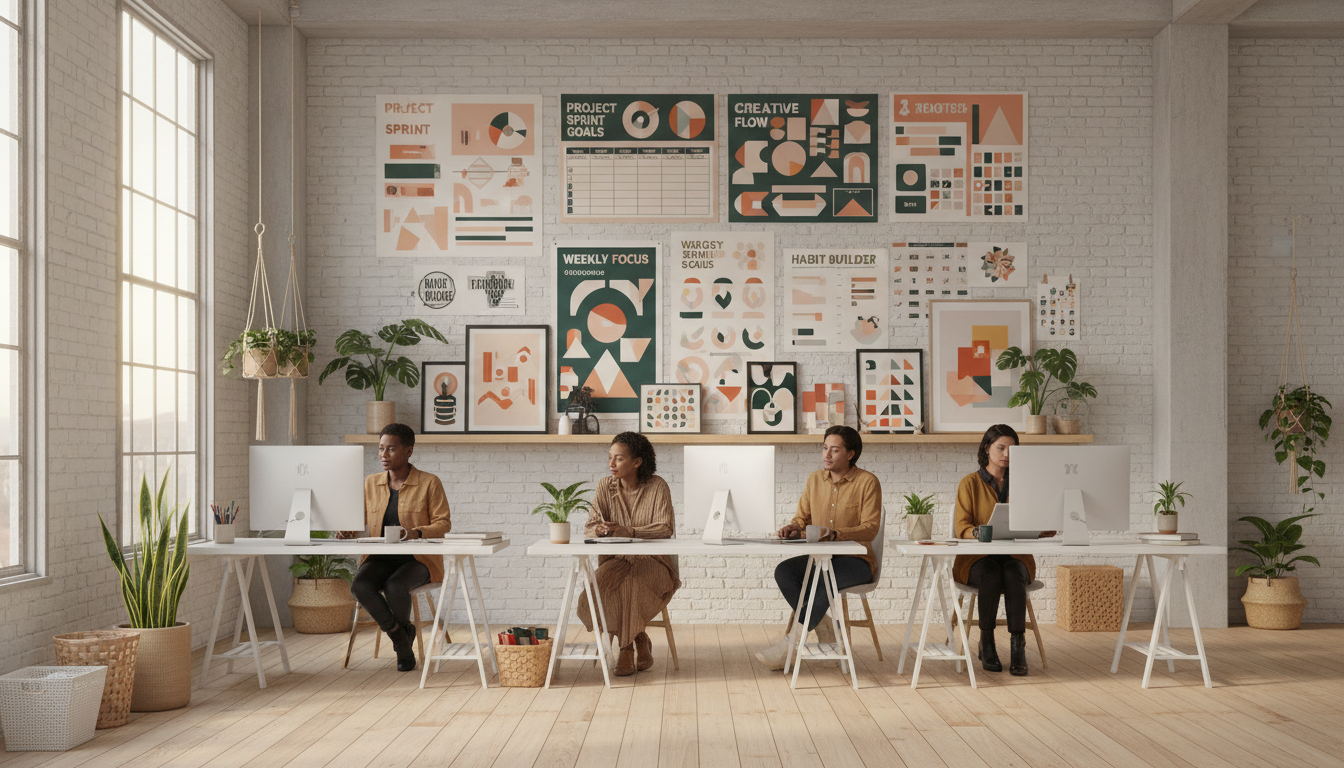
The first step in transforming a space is understanding the client’s vision. This involves identifying their goals, target audience, and the message they want to convey. A clear vision provides a roadmap for the transformation process, ensuring that every element aligns with the desired outcome.
For instance, a client looking to revamp a retail space might aim to create a more immersive shopping experience. In this scenario, understanding customer behavior and preferences becomes crucial.
Conducting a Needs Assessment
A comprehensive needs assessment helps in identifying the strengths and weaknesses of the current space. This involves analyzing the flow of movement, lighting, and existing decor. By pinpointing areas for improvement, designers can create a more efficient and appealing layout.
Designing with Purpose
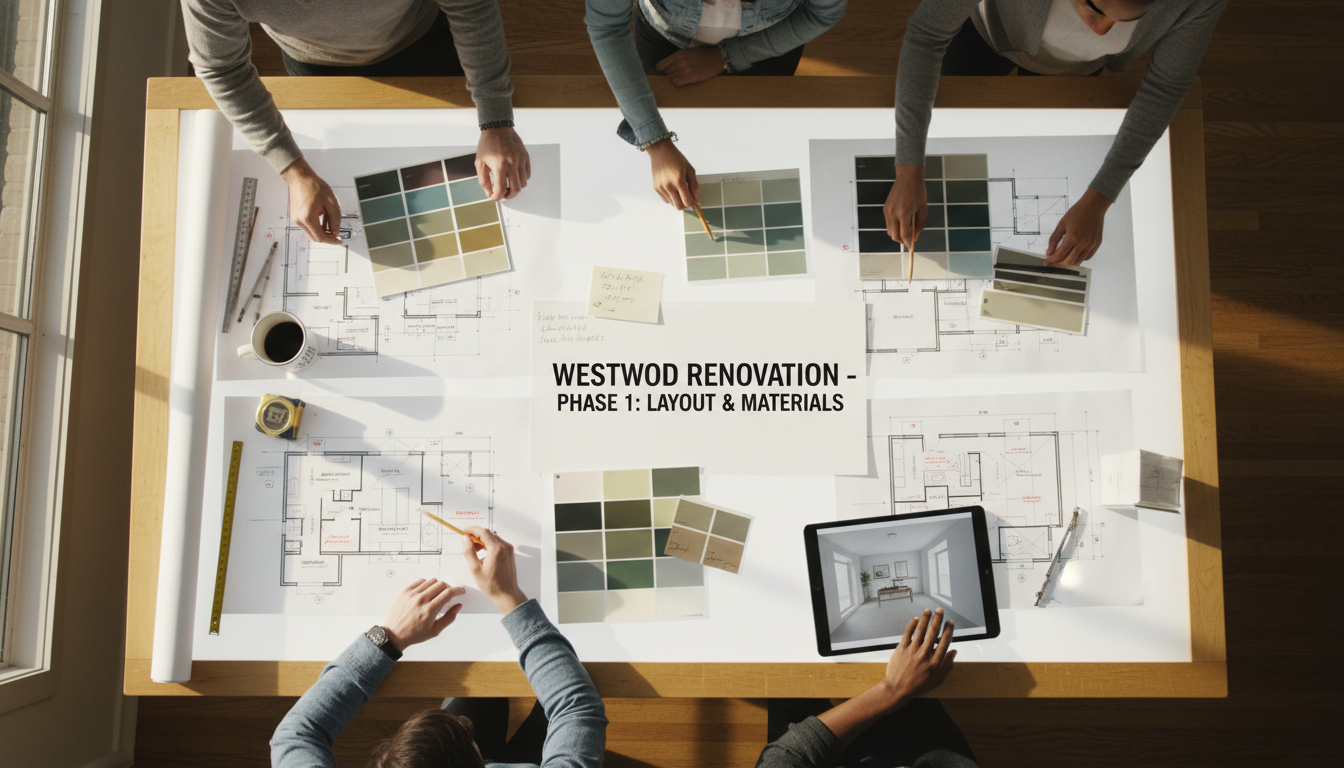
Once the vision and needs are clear, the design phase begins. This stage involves creating a layout that enhances functionality while also adding aesthetic appeal. Utilizing color schemes, textures, and lighting can dramatically alter the mood of a space.
Incorporating interactive elements and technology can further elevate the experience. Touchscreens, digital displays, and other tech features engage visitors and provide additional layers of interaction.
Implementing Innovative Solutions
Innovative solutions are key to making a space extraordinary. This might include integrating sustainable materials, adaptive furniture, or smart technology that personalizes the environment for each visitor. These elements not only enhance the experience but also align with modern values of sustainability and personalization.
Measuring Success
After implementing the design, it’s crucial to measure the success of the transformation. This can be done through customer feedback, increased foot traffic, and sales metrics. Understanding the impact of the changes helps in refining the approach and ensuring long-term success.
Surveys and data analytics provide valuable insights into how visitors interact with the space. These tools help in assessing whether the space truly delivers an extraordinary experience.
Continuous Improvement
Transforming a space is not a one-time event but an ongoing process. Regular updates and adaptations are necessary to keep the environment fresh and relevant. By staying attuned to trends and user feedback, businesses can continue to offer exceptional experiences.

Conclusion
Turning ordinary spaces into extraordinary experiences is both an art and a science. It requires a deep understanding of the client’s vision, strategic design, and a commitment to innovation. By following these principles, any space can be transformed into a memorable experience that delights and engages visitors.
As we move forward, the importance of creating spaces that resonate with users will only grow. Embracing this challenge can lead to remarkable achievements and a lasting impact on both businesses and their audiences.